
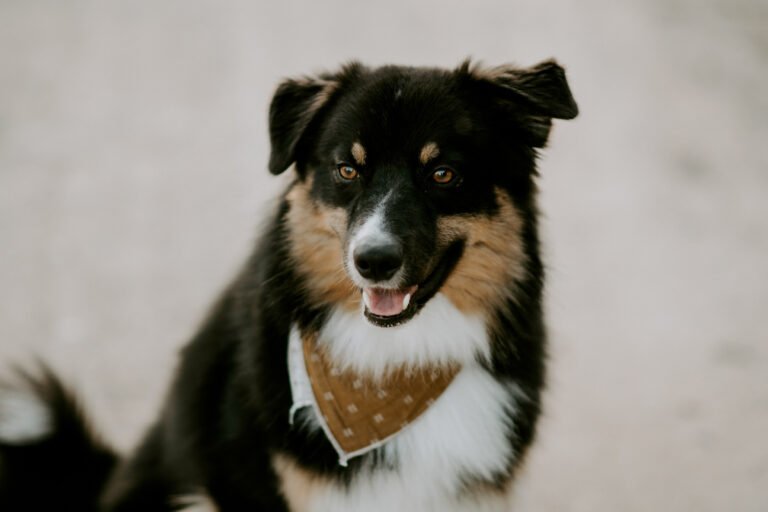
Sniffing, problem-solving, chewing, training and rest: how to occupy a clever dog meaningfully without breeding constant activity.
Read more
BLOG CATEGORY
Training
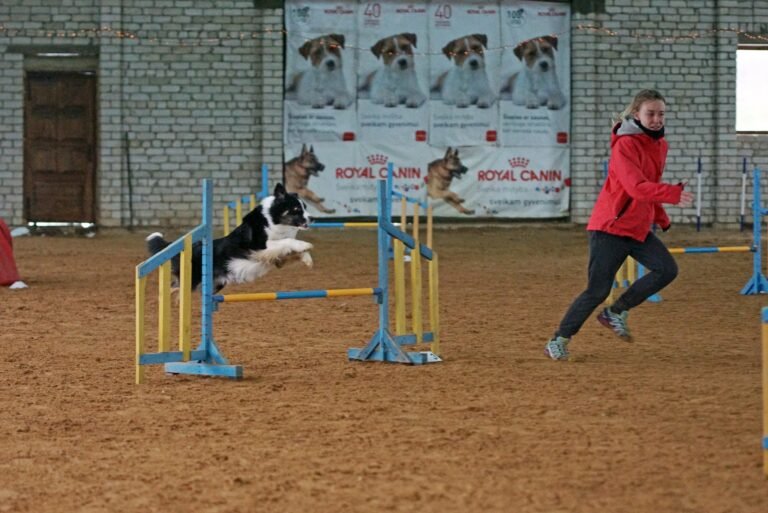
“Come”, “wait”, “leave it”, “drop it” and “place” – how to teach the five cues that help keep a dog safe every day.
Read more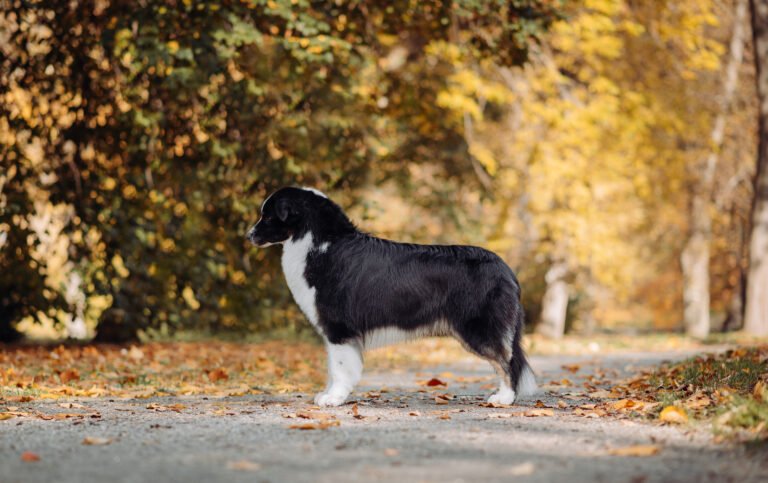
How to help a frightened dog through safe distance, choice and gradual training. When to stop and when to seek professional help.
Read more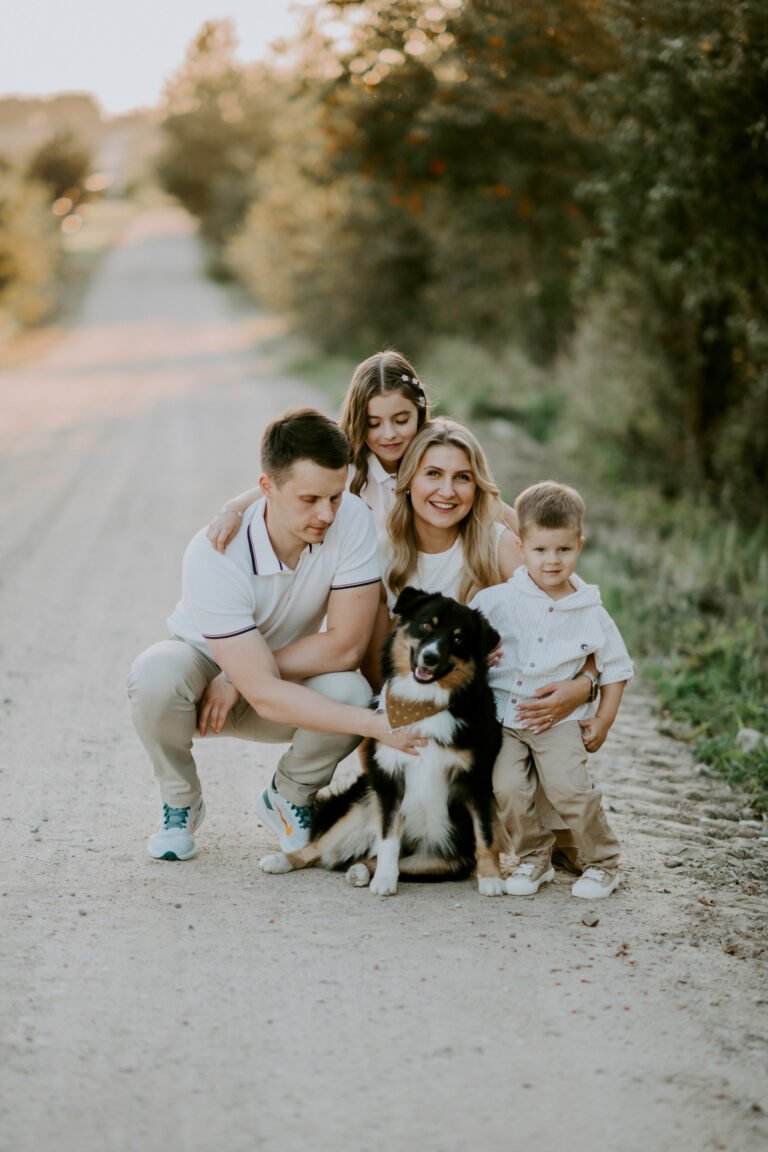
How to raise a child and a dog together safely: supervision, resting space, play boundaries, body language and the adult’s responsibility.
Read more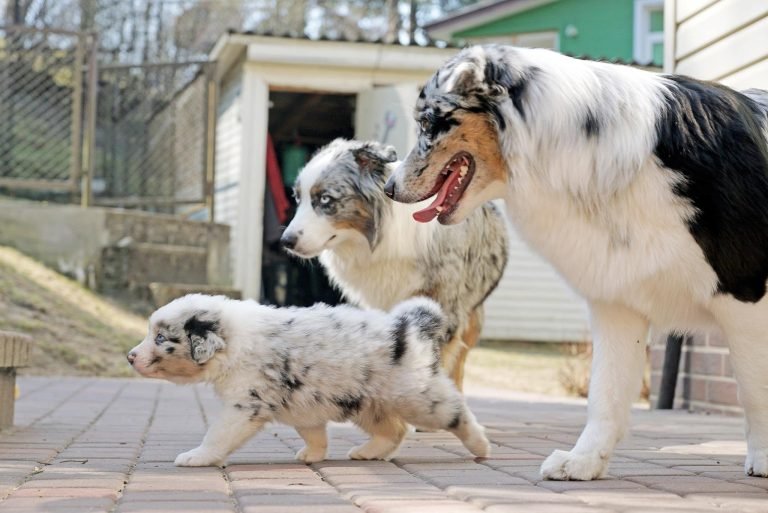
The first meeting, separate resting places, play boundaries and the owner’s responsibility – so a new puppy does not become a burden to an older dog.
Read more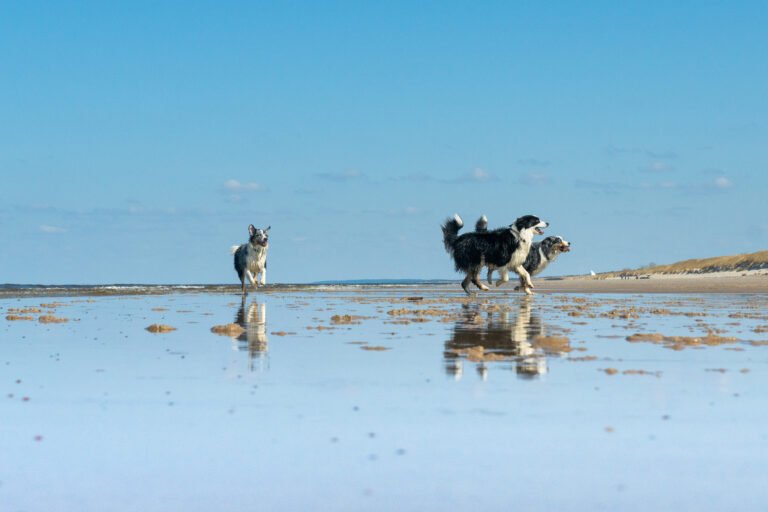
What to do before the barking or lunging starts: safe distance, movement, regaining attention and a plan for a reactive dog.
Read more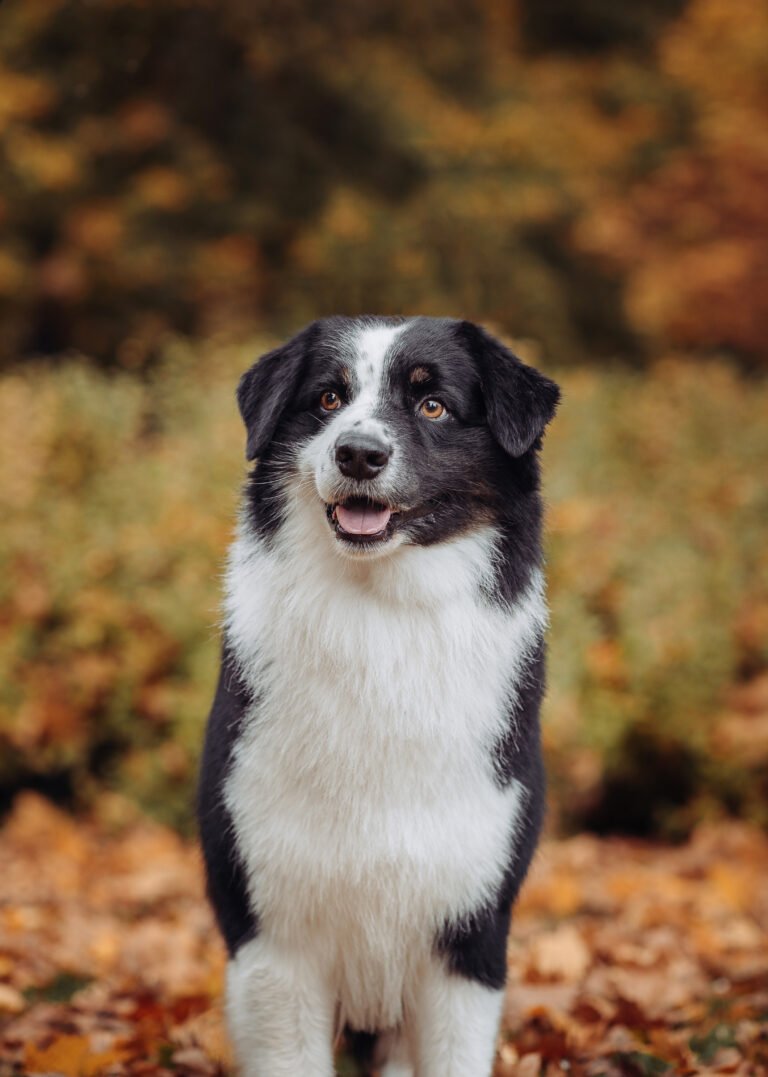
AI has never seen your dog. When its advice genuinely helps, when it misleads, and what to ask before you decide.
Read more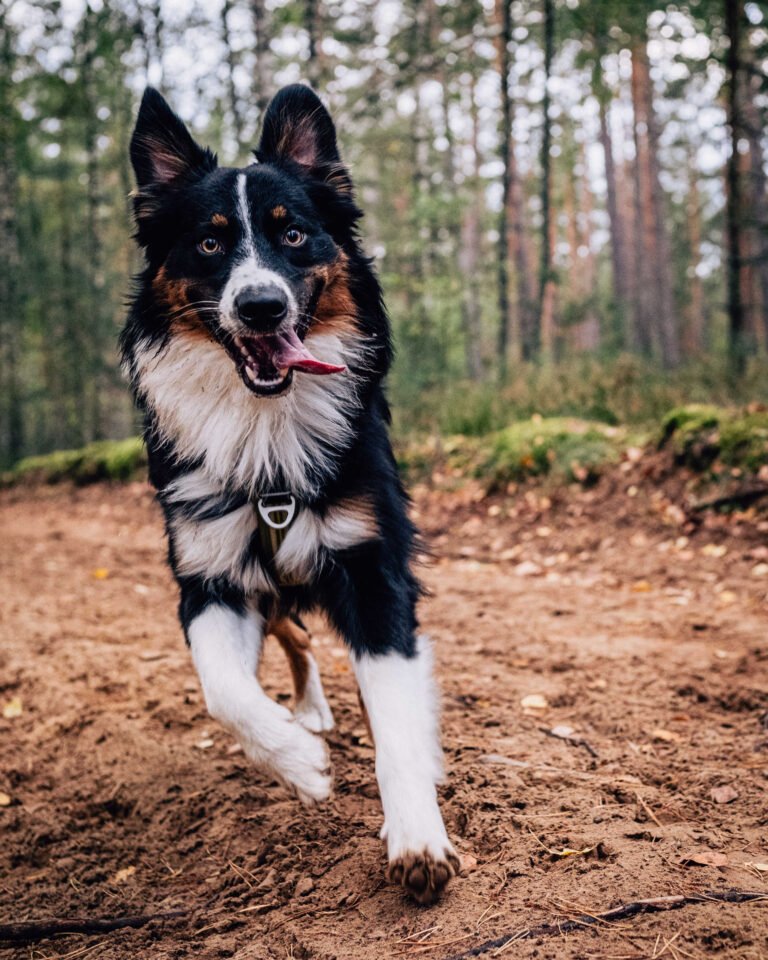
A good walk includes a loose lead, sniffing and a bond with the person. Learn how to teach it without pulling and without suppressing the dog.
Read more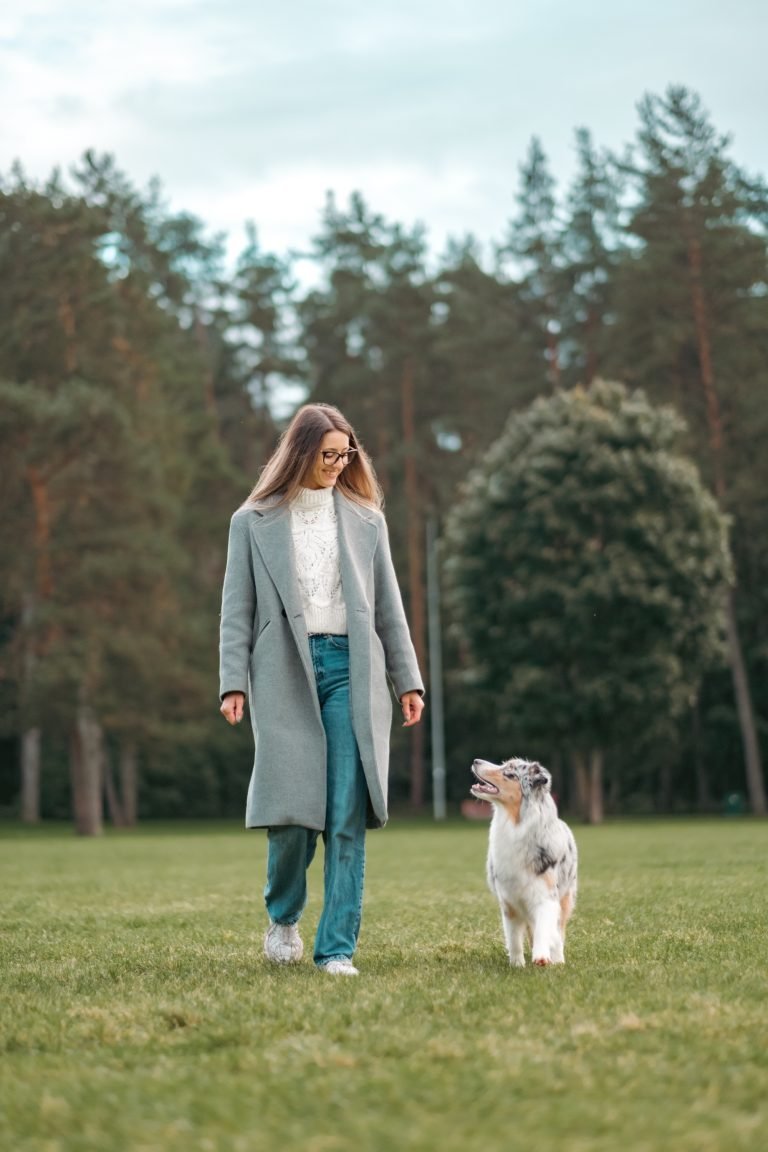
Cues do not solve every behaviour problem. Learn to tell an unlearned signal from fear, stress or an unsuitable environment.
Read more
Freezing, turning away or lip licking can say more than barking. Learn to read the dog’s whole body and the context of the situation.
Read more